
7 Surprising Health Benefits of Dried Apricots

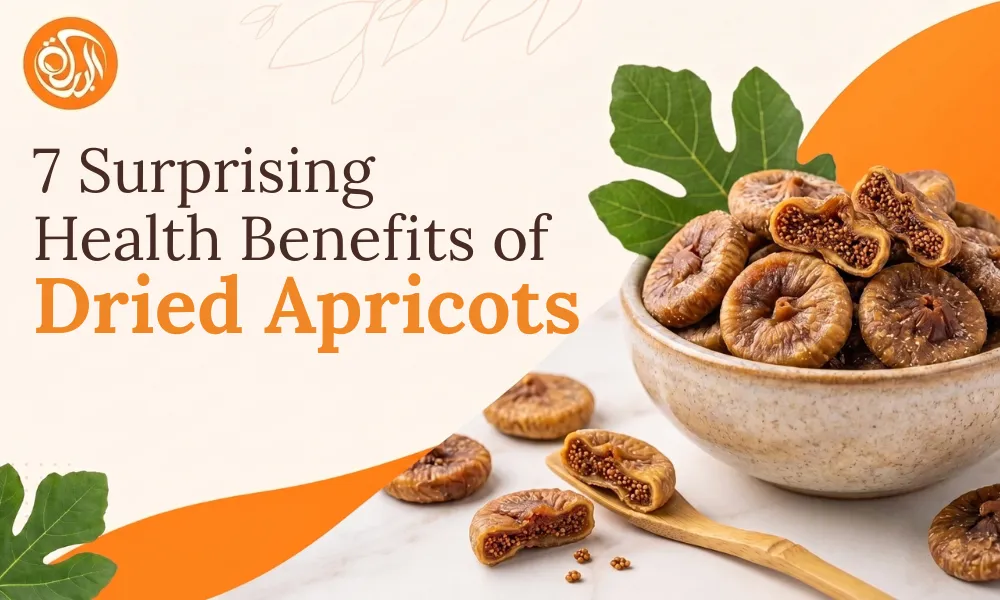
Snacking has a way of turning into a bad habit. Chips, cookies, whatever’s closest on the shelf, none of it does much for the body, and boredom sets in within a week.
Dried apricots actually fix this. 7 surprising health benefits of dried apricots show why this wrinkly little fruit deserves way more credit than it gets.
A 100 gram serving carries close to 7 grams of fiber and beats a banana on potassium, which isn’t a small claim. One handful, turns out, does more than most people expect.
What Makes Dried Apricots So Nutritious
Drying doesn’t strip nutrients, it concentrates them. Iron, potassium, vitamin A, antioxidants like beta carotene, all packed tighter once the water’s gone.
That combination supports immunity, skin repair, and steady energy without much effort. Organic Dry Apricots grown without added preservatives keep that nutrition intact, no sulfur residue involved.
Nutritionists keep pointing to dried fruit as a smarter snack, and apricots back that claim up well.
Supports Digestive Health
Fiber does most of the work here. Both soluble and insoluble varieties appear, softening the stool and maintaining a smooth, uncomplicated process.
Soluble fibre quietly supports digestion with time by feeding gut microorganisms. Constipation is relieved with a daily handful; no supplement is required. Few fiber rich foods work this simply.
Promotes Heart Health
Potassium does the heavy lifting for blood pressure, and it doesn’t work alone. Balancing sodium levels, it’s been tied in research to a noticeably lower stroke risk.
Fiber pitches in too, helping manage cholesterol along the way. Put together, that’s a genuinely heart healthy snack, not just a tasty one. Not many dried fruits pull double duty like this.
Boosts Eye Health
Vitamin A shows up generously here, mostly as beta carotene. It supports vision directly and may guard against age related macular degeneration, a leading cause of vision loss later in life.
Eating apricots regularly becomes a simple, food based way to protect eyesight without thinking twice about it. Small fruit, surprisingly big favor for the eyes.
Fights Iron Deficiency and Anaemia
Iron and vitamin C together fight anaemia better than either alone, and dried apricots happen to carry both. That’s especially useful during menstruation, when iron loss spikes and fatigue often follows.
Pairing apricots with other iron rich foods rounds things out nicely. Chickpeas bring plant protein and iron to the mix, and stocking up is easy through Buy Chickpeas Online.
Improves Skin Health
Antioxidants and vitamin C aren’t just for internal organs, skin gets a share too. Vitamin C fuels collagen production, the protein behind firm, youthful looking skin.
Free radical damage from sun and pollution gets neutralized when antioxidant intake stays consistent. A tasty snack doing skincare’s job, unexpected but true.
Provides Quick, Natural Energy
Natural sugar bundled with fiber means slower absorption and no crash later. That makes dried apricots a solid pre workout bite or a midday pick me up.
Dates offer something similar, just denser in sugar overall. Rotating between the two keeps energy steady without leaning on refined sugar snacks. Worth comparing side by side through Buy Dates.
Aids in Healthy Weight Management
Fiber stretches out fullness, cutting down mindless snacking between meals. Natural sweetness also curbs sugar cravings, no added sugar needed.
Portion control still matters since dried fruit packs calories tightly. Even so, a modest daily serving fits into most healthy weight loss snack routines without much struggle. Smarter swap than candy, plain and simple.
Simple Ways to Add Them to Daily Meals
Dried apricots go well beyond the snack bowl. Try them:
- Chopped into oatmeal for morning sweetness
- Mixed into trail mix with nuts and seeds
- Added to rice or couscous, Middle Eastern style
- Blended into smoothies for texture and iron
- Paired with cheese on a simple charcuterie board
Albaraka Dry Fruits offers fresh, chemical free batches, with quality that stays consistent, batch after batch.
A Note on Moderation
Dried apricots stay calorie dense, sweeter than the fresh version too. Overdoing it can cause bloating, especially in sensitive stomachs. Anyone managing blood sugar should stick to a small handful daily, nothing more. Balance beats extremes, always, when dried fruit enters the picture.
FAQs
How many dried apricots should be eaten per day?
Six to eight pieces daily works well for most people. That amount delivers nutrition without piling on extra sugar.
Are dried apricots good for iron deficiency?
Yes, iron paired with vitamin C helps manage mild anaemia well.
Are organic dried apricots healthier than sulfur treated ones?
Organic apricots keep more natural nutrients and skip added preservatives entirely.